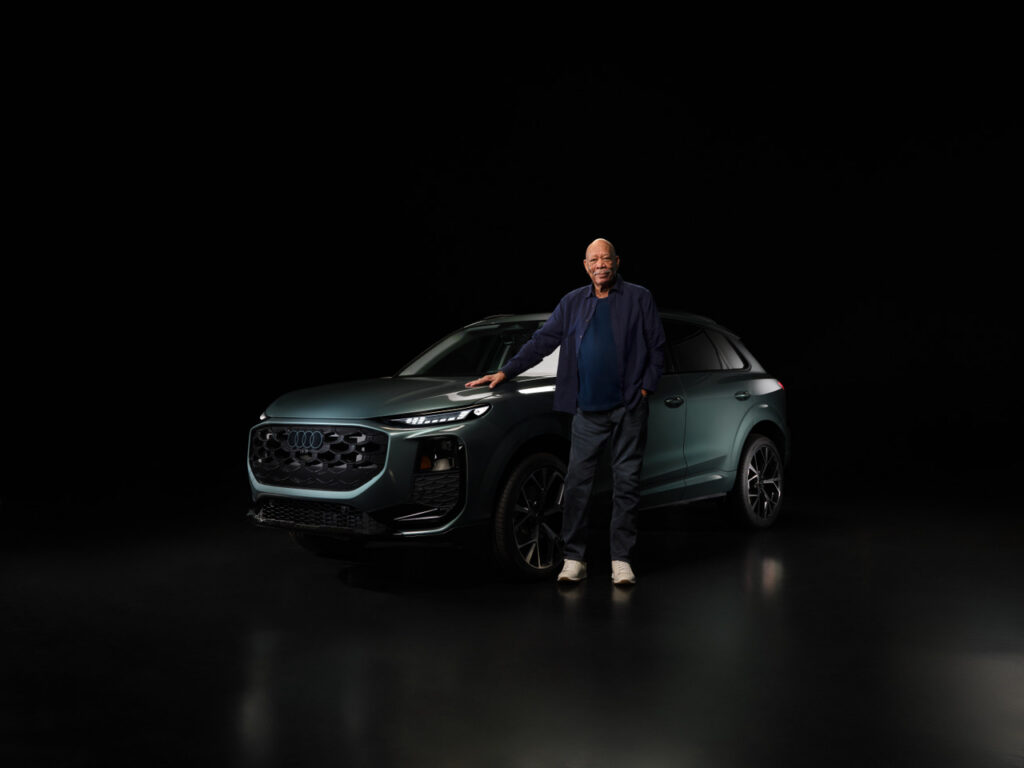
When premium automotive storytelling needs a studio facility—not an open road
The “A Life of Yes” campaign was built to feel more like a short film than a traditional hard-sell car commercial. In the spot, Chase Infiniti sets out on an open-ended journey, guided by Morgan Freeman’s narration as the story moves across striking landscapes—until a midway reveal adds humor and reinforces the central message: the all-new Audi Q3 is made for a “life of yes.”
That cinematic approach comes with real production demands—especially when the hero of the story is a luxury vehicle. Car paint, glass, and trim are reflection-sensitive, and every environment shift can change the lighting story. To keep the visual language premium, consistent, and highly controllable, the production team chose Skyway Studios as the facility partner—leveraging multiple stages and a virtual production workflow designed for modern automotive.
A multi-stage Skyway workflow—built around Studio D
When Audi, Ogilvy, and Tilt Productions needed a facility that could support both high-end automotive cinematography and an efficient celebrity workflow, Skyway’s campus approach made the difference.
The shoot centered on Studio D, where Skyway’s LED volume was enhanced for this production to create a complete LED volume environment—supporting “driving” scenes and fast look changes while maintaining control over lighting, reflections, and continuity.
Skyway handled the “car process” work with Creative Technology
Skyway partnered with Creative Technology to support the campaign’s “car process” needs—an approach that made strategic sense for both creative and logistical reasons:
• LED volume capability for automotive work Modern automotive spots increasingly rely on LED volumes instead of process trailers or green screen, because an LED environment can deliver high-resolution moving backgrounds while helping manage what matters most on a premium vehicle: reflections.
•Better control of reflections and lighting Virtual production stages allow filmmakers to shape light precisely across paint, glass, chrome, and interior surfaces—helping maintain a clean, polished look that stays consistent from setup to setup.
•Efficiency with celebrity talent With Morgan Freeman and Chase Infiniti attached, efficiency becomes a creative advantage. Controlled-stage production helps reduce weather delays, travel complexity, and road permitting issues—keeping the day focused on performance and craft rather than variables.
•A cinematic “road movie” tone—on a schedule The spot is designed to feel cinematic and relatable, with the Audi Q3 as the hero—an approach that benefits from controlled, repeatable environments that still feel expansive and alive.
•Real-time background playback for driving sequences Forests, mountains, coastal roads, and shifting sunset lighting are exactly the type of dynamic environments virtual production excels at recreating efficiently—while keeping the car camera-ready and the lighting controllable.
Studio B: still photography capture for the campaign launch
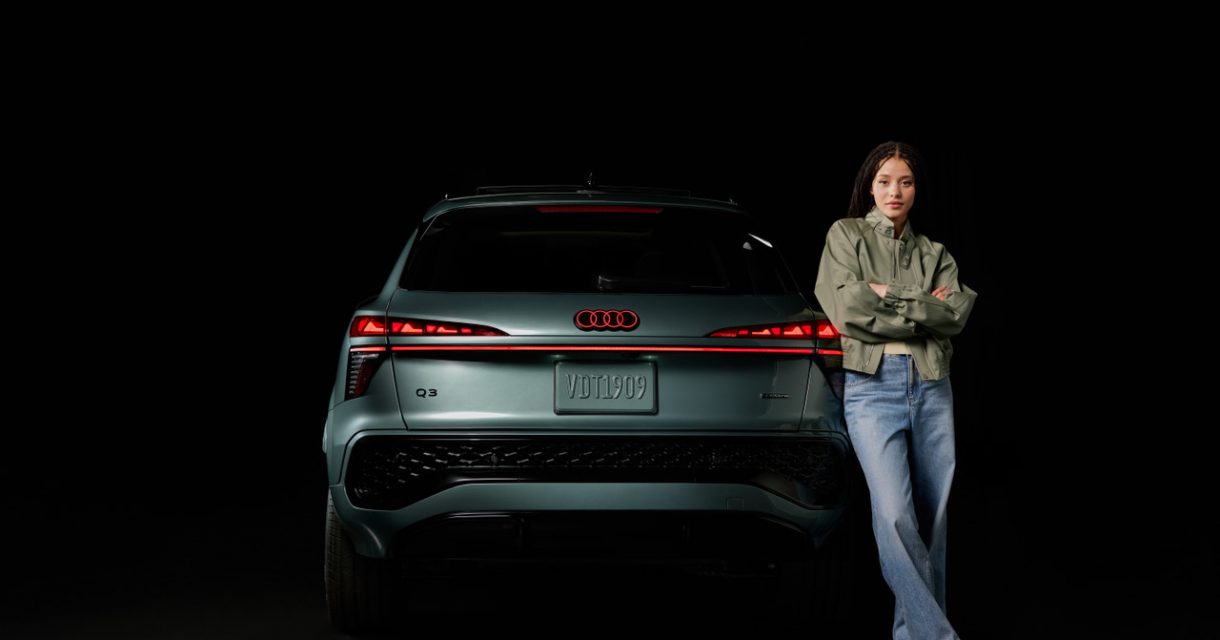
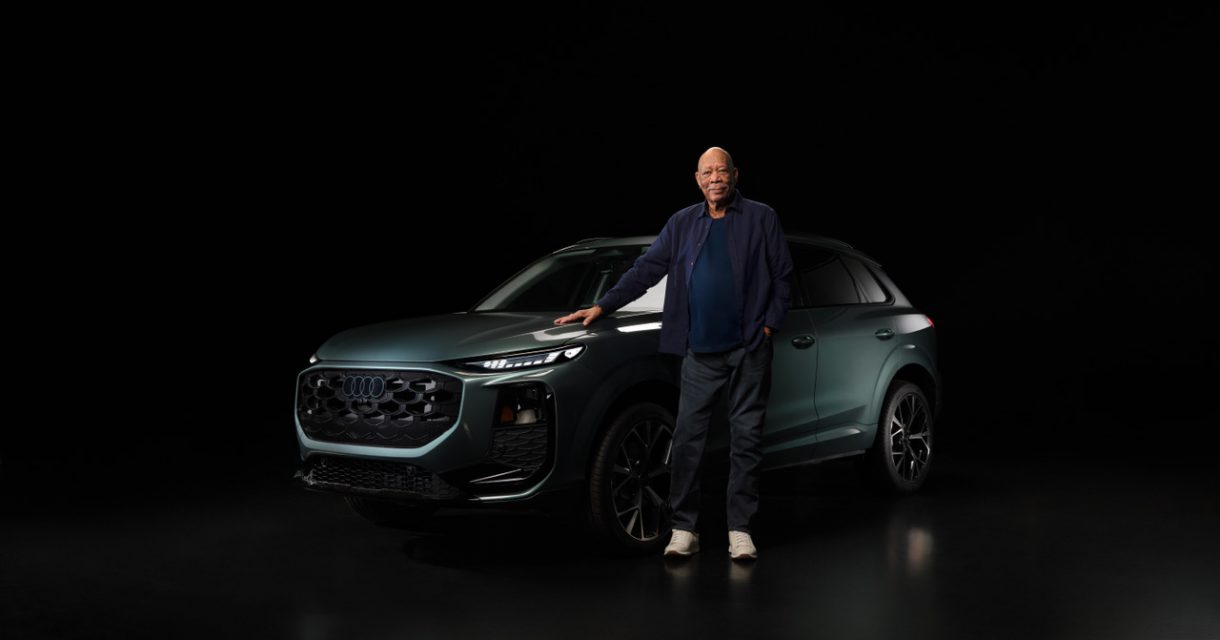
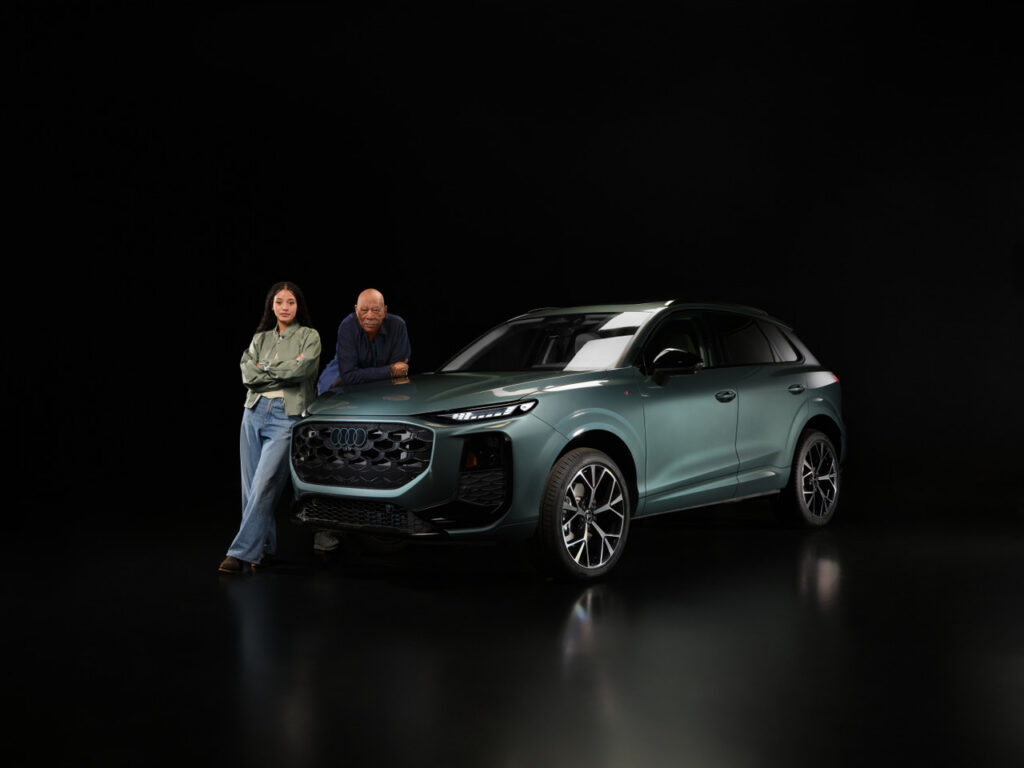
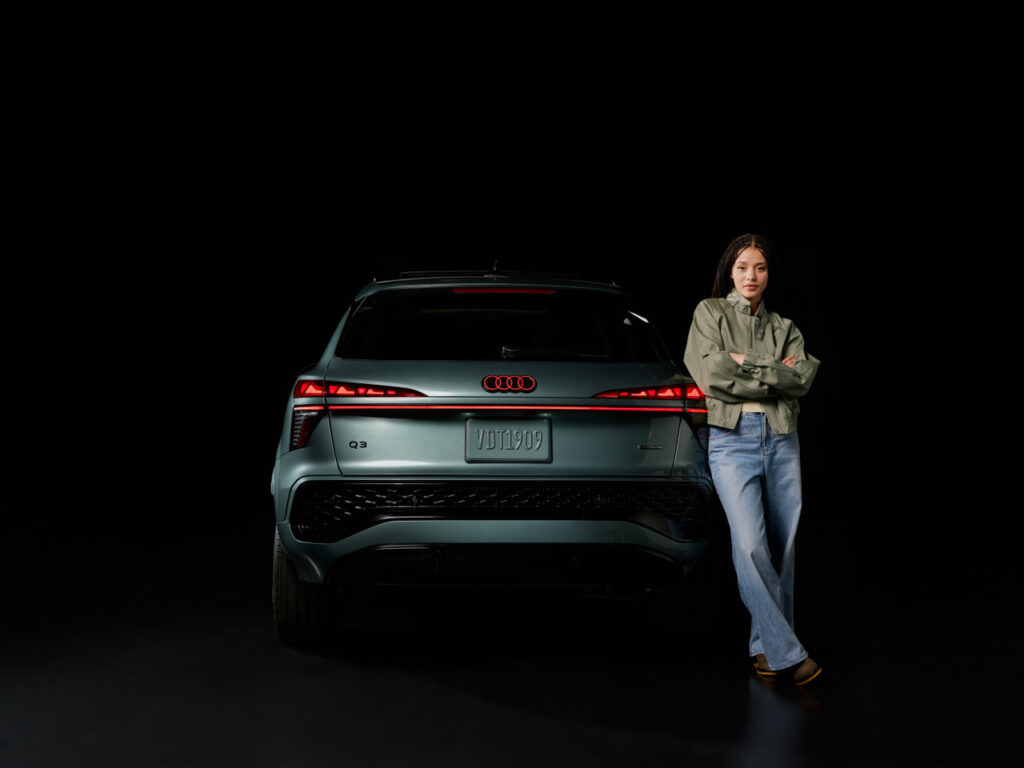
In addition to the broadcast spot, Audi also utilized Studio B at Skyway to capture still photography for the campaign launch—ensuring the print and digital hero imagery matched the same premium lighting and cinematic tone as the film creative.
The campaign goal: make the Q3 feel aspirational—an entry point with emotion
Audi positioned the Q3 as a compelling entry point into the brand, with the latest generation bringing elevated performance, technology, and design—supported by the campaign’s emotional storytelling rather than a spec-by-spec sales pitch.
ABOUT US
Skyway has boomed into the top production venue in the Southeast.
Lorem Ipsum is simply dummy text of the printing and typesetting industry. Lorem Ipsum has been the industry's standard dummy text ever since the 1500s, when an unknown printer took a galley of type and scrambled it to make a type specimen book. It has survived not only five centuries, but also the leap into electronic typesetting, remaining essentially unchanged. It was popularised in the 1960s with the release of Letraset sheets containing Lorem Ipsum passages, and more recently with desktop publishing software like Aldus PageMaker including versions of Lorem Ipsum.