Skyway Studios Scales Production Connectivity with Lumen
Built for the Moment, Powered to Scale
At Skyway’s 16-acre Nashville campus, virtual production and multi-stage workflows can generate enormous files—fast. Here’s how Skyway partnered with Lumen to scale bandwidth per production (from 1–10 Gbps) and keep review cycles, collaboration, and delivery timelines on track.
Watch the customer story video
When production speed depends on what you don’t see
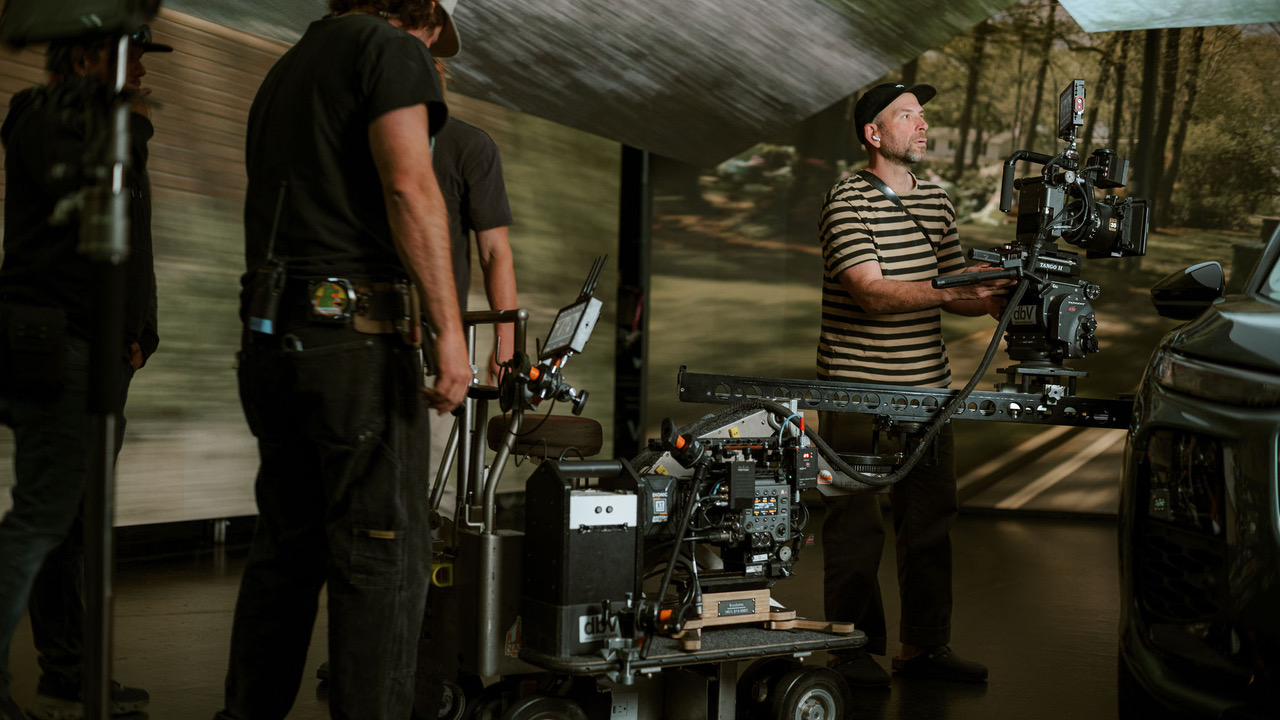
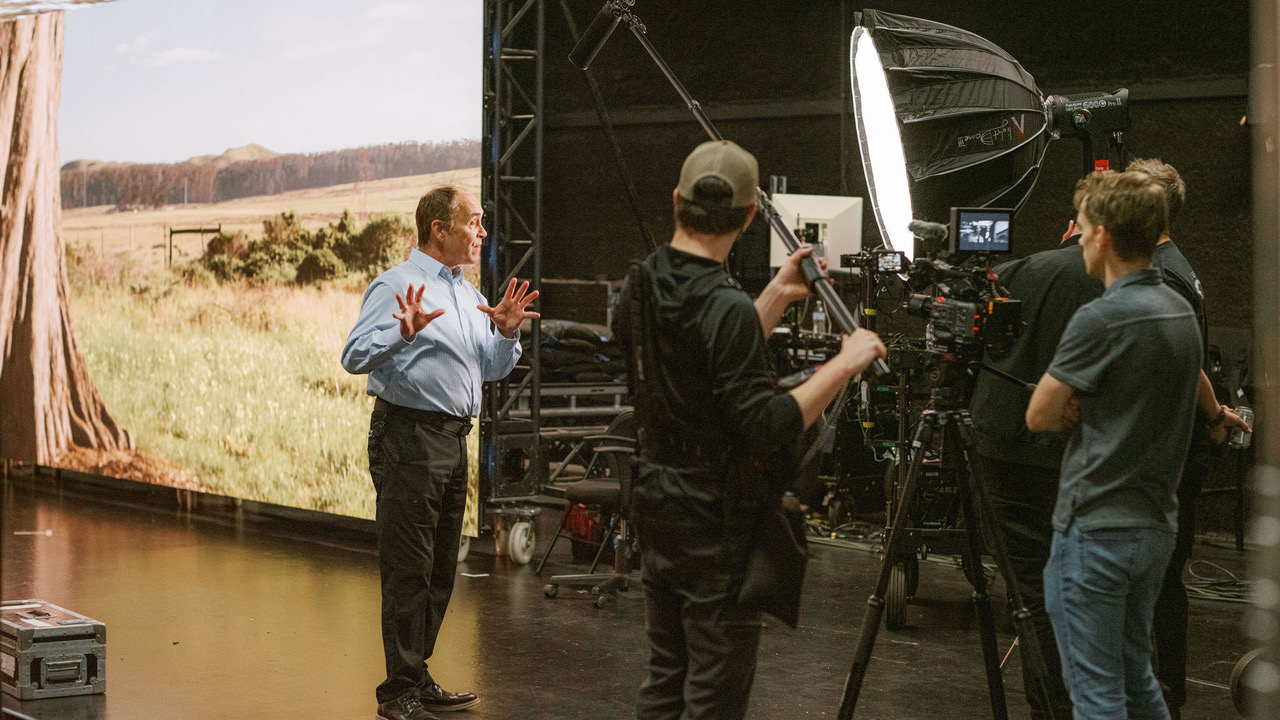
From sound stages to LED virtual production, Skyway Studios is built to run multiple projects at once—without slowing creative momentum. Skyway Studios’ gated 16-acre campus supports a multi-tenant environment with four full-production studios and three insert studios, and it’s designed to move large volumes of content off set to creative teams and hiring studios.
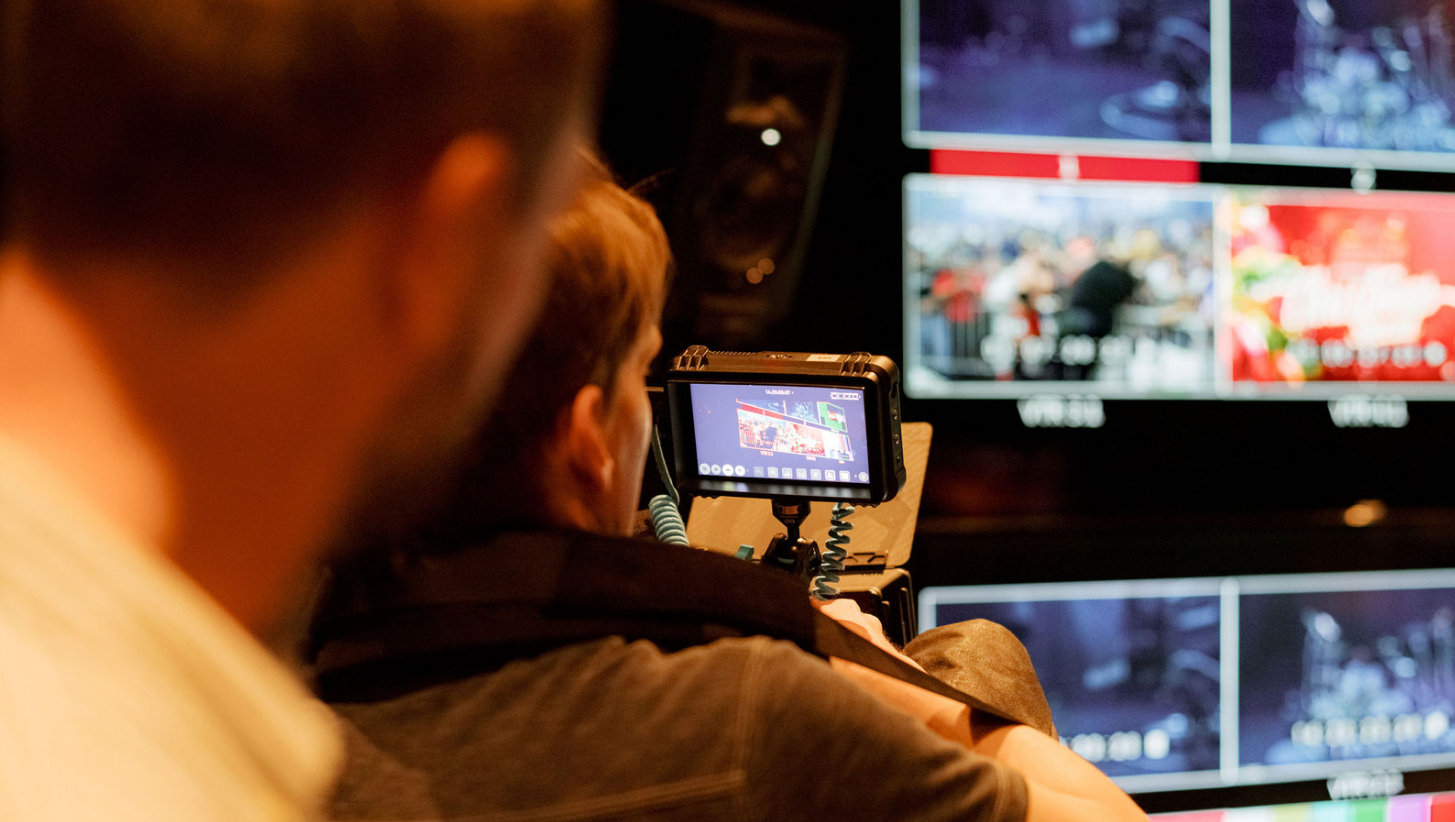
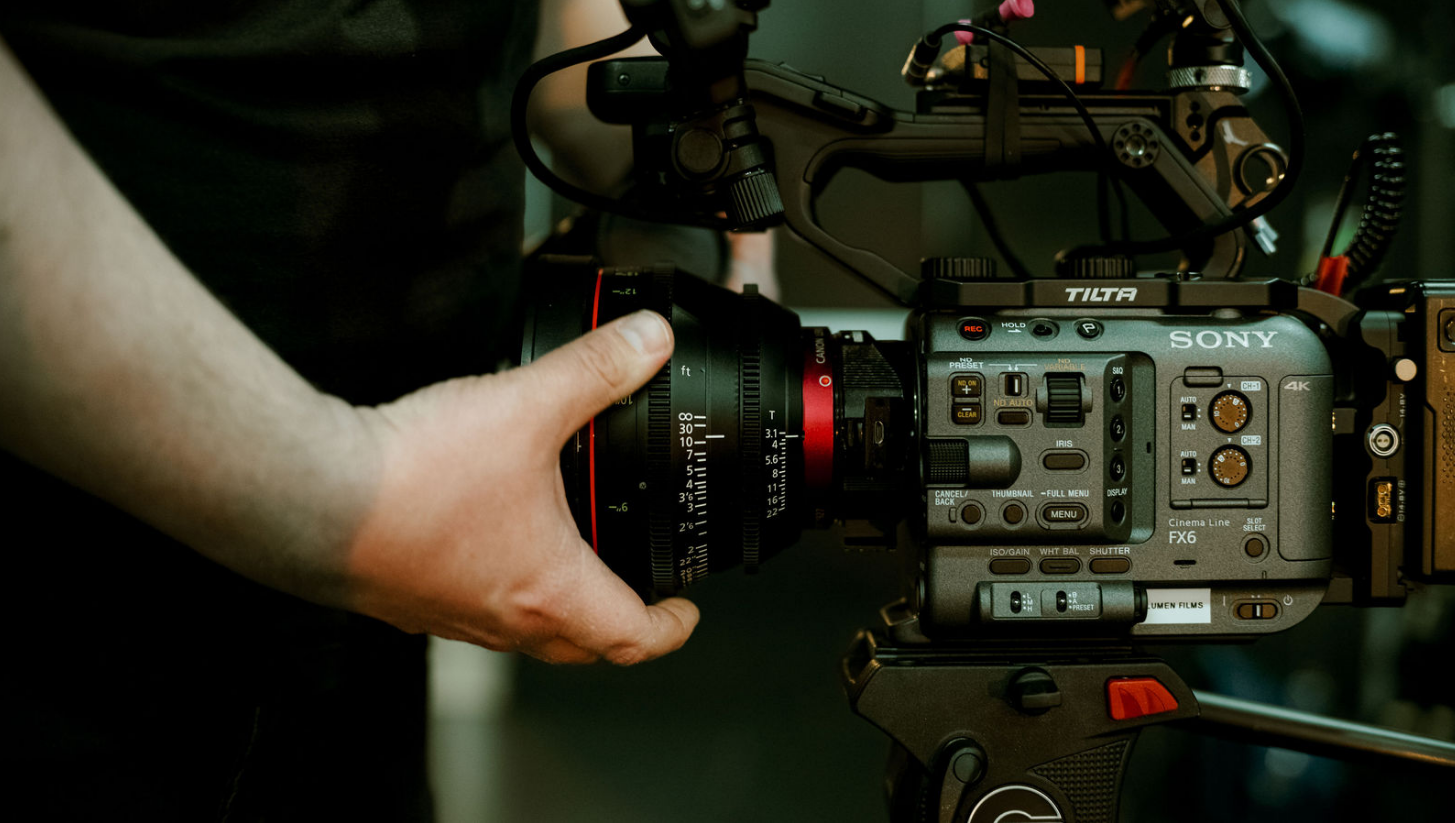
That last part—moving content—is where modern productions often feel the pinch. In 4K/HD pipelines and virtual production workflows, the “camera department” doesn’t just roll footage; it generates massive volumes of media that must travel quickly to editorial, VFX, and agency review. If the network lags, the entire production rhythm lags with it.
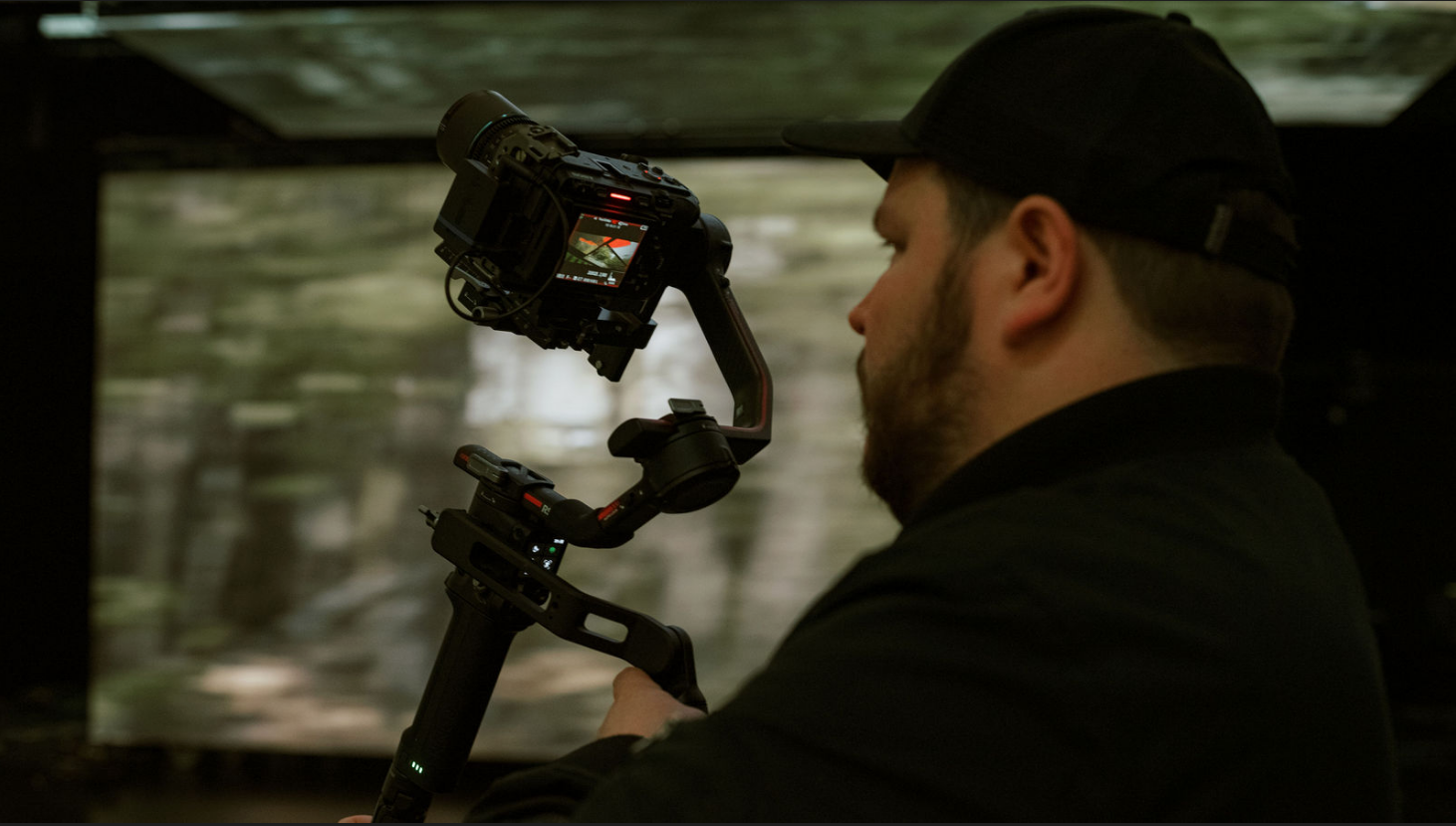
For productions building complex looks across multiple stages, Skyway’s studio specifications and LED Stage (Studio D) are only half the story—the other half is the infrastructure that keeps files, color, and approvals moving.
The challenge: scaling content delivery without slowing creativity
In practical terms, the constraints looked like this:
- Bandwidth demand changed dramatically from project to project—especially when LED/virtual production was in play.
- Teams needed to push large media assets off set while cameras were still rolling (not after wrap).
- With multiple tenants operating simultaneously, connectivity had to stay high-capacity and isolated—without performance trade-offs.
- Network limitations risked slowing review cycles and creating schedule risk on high-pressure productions.

The solution: on-demand networking aligned to production workflows
Solution set used:
- Lumen Network-as-a-Service (NaaS): on-demand, scalable bandwidth aligned to real production workflows.
- Lumen Internet On-Demand: rapid bandwidth increases for LED volumes, virtual production, and large file transfers.
- Lumen Vyvx Broadcast Solutions: broadcast-quality transport for real-time review and time-sensitive delivery when needed.

The results: faster workflows, less risk, better collaboration
- Bandwidth scaled per project—from 1–10 Gbps—eliminating static over-provisioning.
- Faster movement of large media files from set to remote creative teams and hiring studios.
- Multi-tenant workflows supported without performance trade-offs.
- Reduced operational and reputational risk tied to network constraints on high-pressure productions.
Built for creative velocity—ready for what’s next
Modern production models keep evolving: distributed creative teams, higher-resolution capture, more virtual production, and tighter client timelines. Skyway’s on-demand connectivity approach is a foundation that scales with those shifts—supporting everything from day-long brand shoots to complex, multi-stage productions running concurrently.
And that’s ultimately the promise: a network built to move at production speed, so Skyway can keep saying “yes” to bigger creative demands—without taking on unnecessary delivery risk.
Learn more
- Skyway Studios customer story (Lumen)
- Production at full throttle: how Skyway Studios uses Lumen to reach new heights (Lumen blog)
- Lumen on-demand network services (NaaS)
- Lumen Internet On-Demand
- Lumen Vyvx Broadcast Solutions
- Skyway studio specifications
- Skyway LED Stage (Studio D)
- Contact Skyway Studios



LOCATION MAP
Copyright © 2021 - Skyway Studios, All Rights Reserved